Aave (AAVE): A DeFi Lending Leader
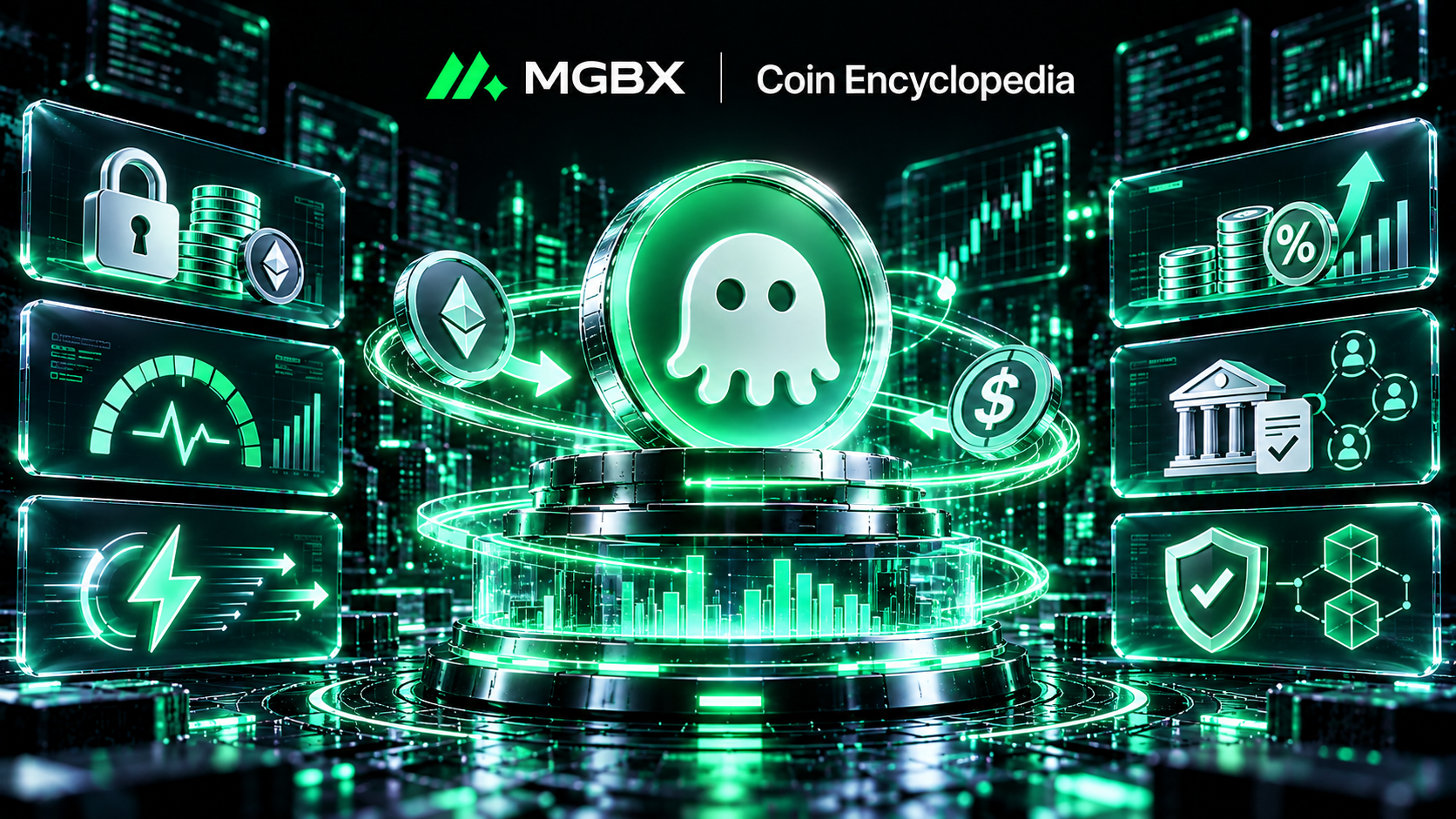
Aave connects suppliers and borrowers through onchain liquidity markets. Suppliers earn variable interest tied to market demand, while ordinary borrowers provide collateral and manage their health factor. Flash loans are specialized tools repaid within a single transaction, unlike ongoing borrowing. AAVE serves a governance role, while protocol protection has evolved through mechanisms such as Umbrella. Researching Aave requires examining borrowing demand, collateral, liquidation rules, and governance—not judging returns or safety solely by total value locked.
How Does Aave Connect Suppliers and Borrowers?
Aave is a decentralized, non-custodial liquidity protocol. Suppliers provide supported assets to a market, and borrowers access liquidity under its collateral rules. This pool-based model reduces the need to find individual lenders. However, networks, markets, and assets have different parameters; no single collateral ratio applies to every position.
Users can borrow stablecoins against ETH in supported markets, accessing funds while retaining exposure to ETH’s price. Borrowing incurs interest, and both supply yields and borrowing costs change with market conditions. Some versions and markets offer features such as Efficiency Mode, but greater borrowing capacity does not mean lower risk.
What Do Health Factors and Flash Loans Do?
The health factor measures how well collateral covers a borrowing position. Under Aave’s common lending mechanics, it can be expressed as collateral value × weighted average liquidation threshold ÷ debt value. With $10,000 in collateral, an 80% liquidation threshold, and $6,000 in debt, the health factor is approximately 1.33. Below 1, the position may be liquidated. This example illustrates the calculation; actual parameters depend on the market.
Flash loans work differently. A typical uncollateralized flash loan requires borrowing, using the funds, and repaying the principal plus fees within the same transaction. If these conditions are not met, the transaction reverts. “The same transaction” is more precise than “the same block.” Flash loans support activities such as arbitrage and liquidations, generally require smart contract development and execution skills, and cannot provide ongoing unsecured borrowing.
How Do AAVE Governance and Protocol Protection Differ?
AAVE is the protocol’s governance token. Holders can participate in decisions or delegate voting power under the governance process. Interest earned by supplying assets and market returns from holding AAVE are separate sources of returns. Governance can influence protocol development, but it does not guarantee token price appreciation.
Protection mechanisms also change over time. Aave has introduced Umbrella, its upgraded Safety Module, where participants stake supported assets and earn rewards in exchange for accepting exposure to specified bad-debt risks. Risk can be isolated by asset and network. Umbrella and the legacy Safety Module follow different rules, so slashing parameters and withdrawal conditions require individual verification rather than relying on figures from older articles.
Liquidations, audits, and safety modules help manage risk but cannot eliminate smart contract, oracle, liquidity, or extreme market risks. Following “A Beginner’s Guide to Investing in DeFi Tokens,” assess protocol usage, token rights, and additional staking strategies separately. This article does not constitute investment advice.
FAQ
Do I need AAVE to use Aave?
Generally, no. Supplying and borrowing depend primarily on market rules, the required assets, and sufficient funds for network fees.Is a health factor above 1 safe?
It does not guarantee safety. Asset prices and debt levels change, and staying too close to the liquidation threshold may leave little room to respond.Can safety modules guarantee suppliers against losses?
No. Coverage, available funds, and execution conditions are limited. Participants staking assets for protocol protection may also face slashing risk.
Mastering the basics is the first step. Follow MGBX Academy to access more cryptocurrency educational resources and market opportunities.
The process for trading on MGBX:
Register a trading account and complete the necessary identity verification;
Deposit funds and select a trade type;
On the cryptocurrency trading page, enter the amount or quantity of the cryptocurrency you wish to purchase;
Confirm the order to complete the trade, and check that your assets have increased accordingly.