Solana FAQs: Frequently Asked Questions
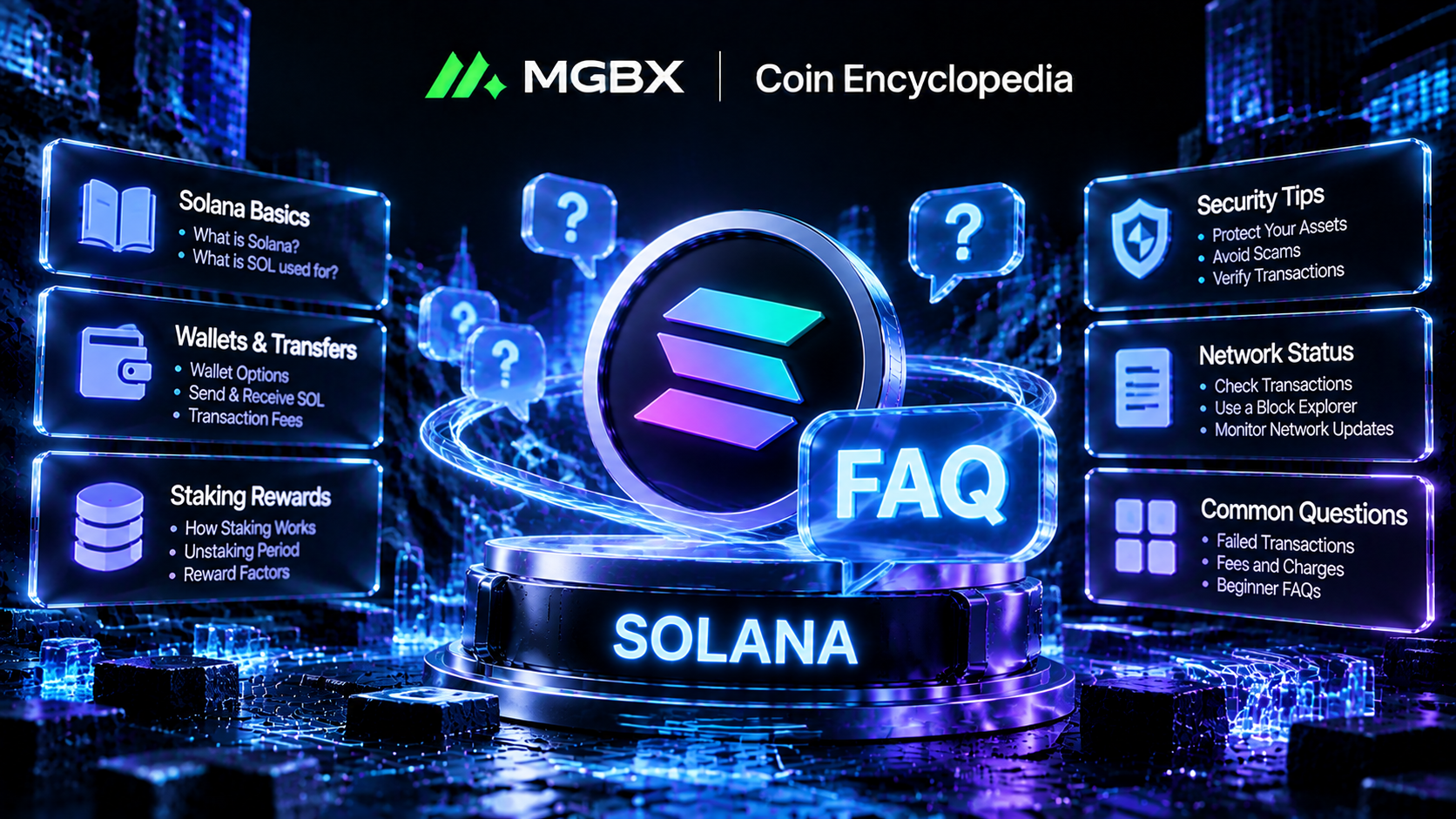
Solana is a blockchain network that supports smart contracts and decentralized applications, while SOL is its native token, primarily used to pay transaction fees and participate in staking. Beginners often have questions about wallet selection, failed transfers, network fees, unstaking periods, and asset security. Understanding the basics and consulting official documentation before performing important operations can help reduce the risk of losses caused by incorrect addresses, malicious approvals, or misunderstandings about staking rewards.
Solana and SOL: The Basics
What is Solana?
Solana is a Layer 1 blockchain that supports smart contracts and decentralized applications. It can be used for asset transfers, DeFi, NFTs, payments, and other on-chain applications. Its architecture is designed to improve transaction processing efficiency at the base layer.What is SOL used for?
SOL is Solana's native token, primarily used to pay network fees and participate in staking. It can also be used for trading and as collateral in certain DeFi applications. Specific use cases depend on the network protocol and the rules of individual applications.
Wallets, Transfers, and Transaction Fees
Do I need a Phantom wallet to use Solana?
No. Phantom is a popular wallet option, but you can also use other wallets that support Solana. When choosing a wallet, consider network compatibility, key management, security, and ease of use.Why can I still be charged a fee when a Solana transaction fails?
Solana charges applicable network fees even if a transaction fails during execution. You can use the transaction signature to check its status in a blockchain explorer and consult the official Solana fee documentation to understand how transaction fees work.
Staking, Network Status, and Asset Security
How long does it take to withdraw SOL after staking?
Native staking generally requires you to deactivate your stake and wait for the relevant network epoch to complete. An epoch typically lasts around two days, but the actual waiting time may be longer depending on when you initiate the process and changes in network staking activity.How can I reduce security risks when using Solana?
Watch for unusual transaction activity and network connectivity issues. Download wallets only from official sources, protect your private keys and recovery phrase, verify recipient addresses and DApp URLs, and review transaction details before signing. Avoid suspicious airdrops, projects promising guaranteed high returns, and anyone claiming to provide customer support who asks for your recovery phrase.
Mastering the basics is the first step. Follow MGBX Academy to access more cryptocurrency educational resources and market opportunities.
The process for trading on MGBX:
Register a trading account and complete the necessary identity verification;
Deposit funds and select a trade type;
On the cryptocurrency trading page, enter the amount or quantity of the cryptocurrency you wish to purchase;
Confirm the order to complete the trade, and check that your assets have increased accordingly.