Why Didn’t Your Stop-Loss Execute as Expected When the Price Was Hit?
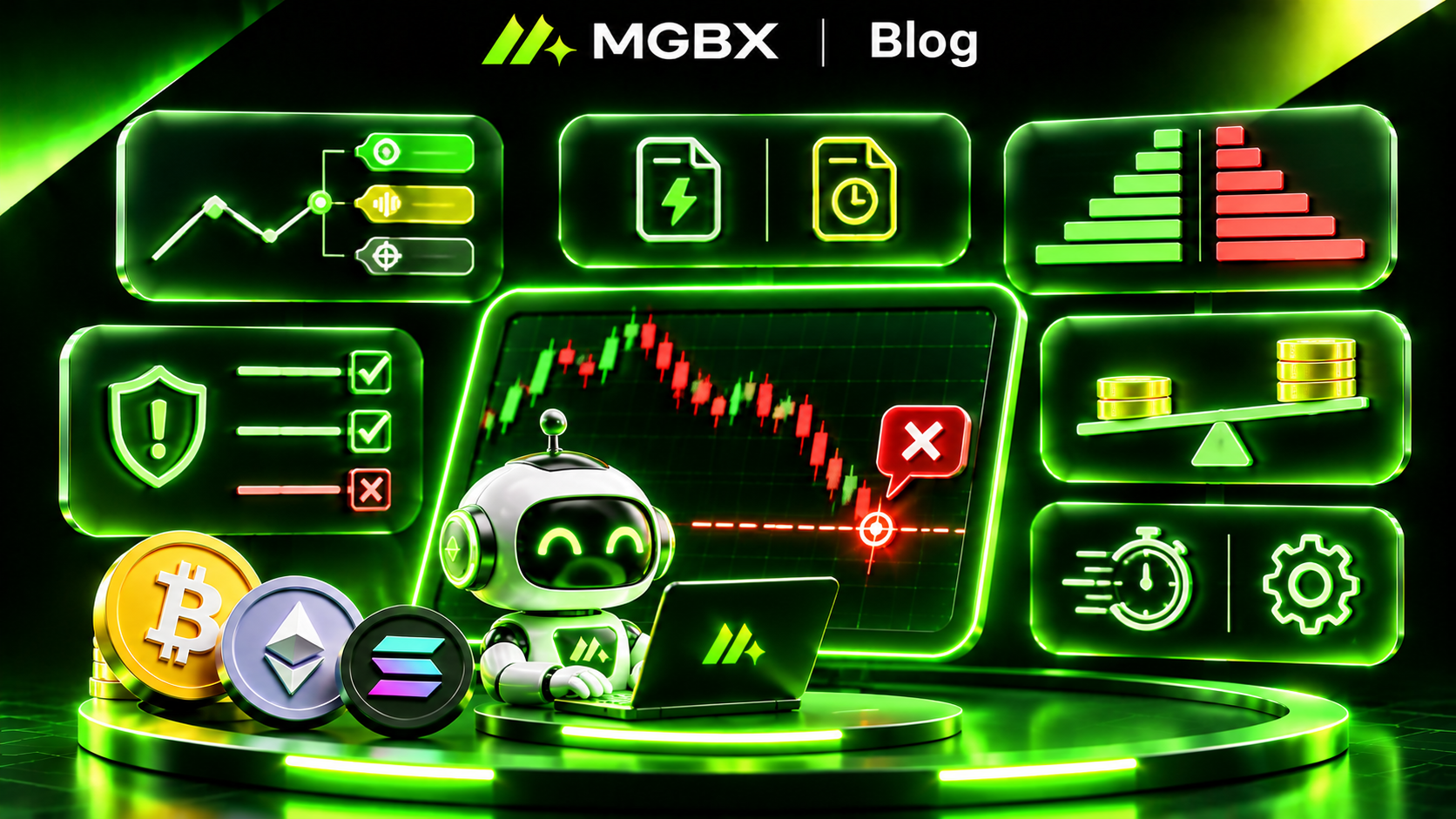
Troubleshoot stop-loss problems in three stages: triggering, order submission, and execution. Charts and orders may reference different prices. Triggered limit orders can remain unfilled, while market orders may fill across several levels or encounter protection limits. Compare depth using equal order values, not assumed slippage ranges. Our view: a stop-loss is an exit plan that needs a price reference, quantity, cost allowance, and backup procedure—not a guaranteed execution price.
Key Takeaways:
Last, mark, and index prices can differ; verify the trigger reference.
A triggered order does not mean the position has fully closed.
Market stops risk slippage; limit stops risk unfilled quantities.
Changes, cancellations, and fills can overlap; check the final position.
The 1st Reason: Is the Chart Showing Your Trigger Price?
Distinguish an untriggered stop from a triggered but unfilled or partially filled order. Check the configured price reference and order history. A candlestick chart may show last-traded prices while the stop uses mark price.
Suppose a long’s stop is 95. The last price briefly reaches 94.8, but mark price remains 95.2. A mark-price stop may not trigger. Supported references and defaults vary by product.
The MGBX futures API documentation lists mark-price and last-price triggers and distinguishes position size from available closing quantity. Check your actual order settings. For discrepancies, retain the order ID, trigger configuration, and timestamp.
The 2nd Reason: What Order Was Submitted After the Trigger?
A stop-limit order combines a trigger with an acceptable execution boundary. If both are 60,000 and bids fall to 59,200, the sell order may remain unfilled. A lower limit expands its range but no fixed buffer guarantees execution.
A stop-market order generally seeks available bids. Selling ten tokens against two at 94.9, three at 94.5, and five at 94 produces an average of 94.33. Compared with a planned exit at 95, that adds 6.7 in losses before fees.
Market stops can still encounter price protection, trading suspensions, or quantity restrictions. Check status and rejection reasons before modifying the order; neither assume every difference is slippage nor rule out technical issues.
Check quantity too. A five-token stop does not automatically cover a position that later grows from ten to twenty tokens. Whether added exposure is included depends on the settings.
Why Do Equal-Sized Positions Have Different Exit Risks?
Assume each long must sell 10,000 USDT, considering bids within 0.2% below the post-trigger reference price. This is a hypothetical snapshot, not a current liquidity ranking.
Comparison | Bitcoin BTC | Ether ETH | Solana SOL |
Planned sale | 10,000 | 10,000 | 10,000 |
Bids within the range | 40,000 | 12,000 | 4,000 |
Depth-to-order ratio | 4× | 1.2× | 0.4× |
Main concern | Whether bids remain | Sensitivity to cancellations | Whether the remainder needs lower prices |
SOL lacks enough bids within this range unless new orders arrive. BTC still has no execution guarantee: other sellers may trade first or existing bids may disappear. Historical volume cannot replace currently available bids.
Bitcoin, Ether, and Solana may hit their stops together, creating correlated slippage. Holding different assets does not automatically diversify execution risk.
Choosing market or limit orders trades execution priority against price control. Neither trigger reference is universally better. Before widening a stop, calculate the resulting account loss.
Treat the Stop as a Complete Exit Plan
Check which prices trigger the stop and liquidation. If liquidation uses mark price and the stop uses last price, liquidation may occur first. Estimated liquidation levels can also change with margin, fees, and other positions.
After triggering, review filled quantity, remainder, average price, and the final position. Before intervening manually, check whether the original stop remains active. Cancellation requests can overlap with fills.
Separate price losses, execution differences, trading fees, and funding. If calculations already use actual execution prices, do not deduct the same slippage again.
MGBX users should reconcile order records and account history rather than rely on one candlestick chart. Stops initiate an exit process; they cannot remove liquidity constraints.