Crypto Assets Worth Researching in 2026
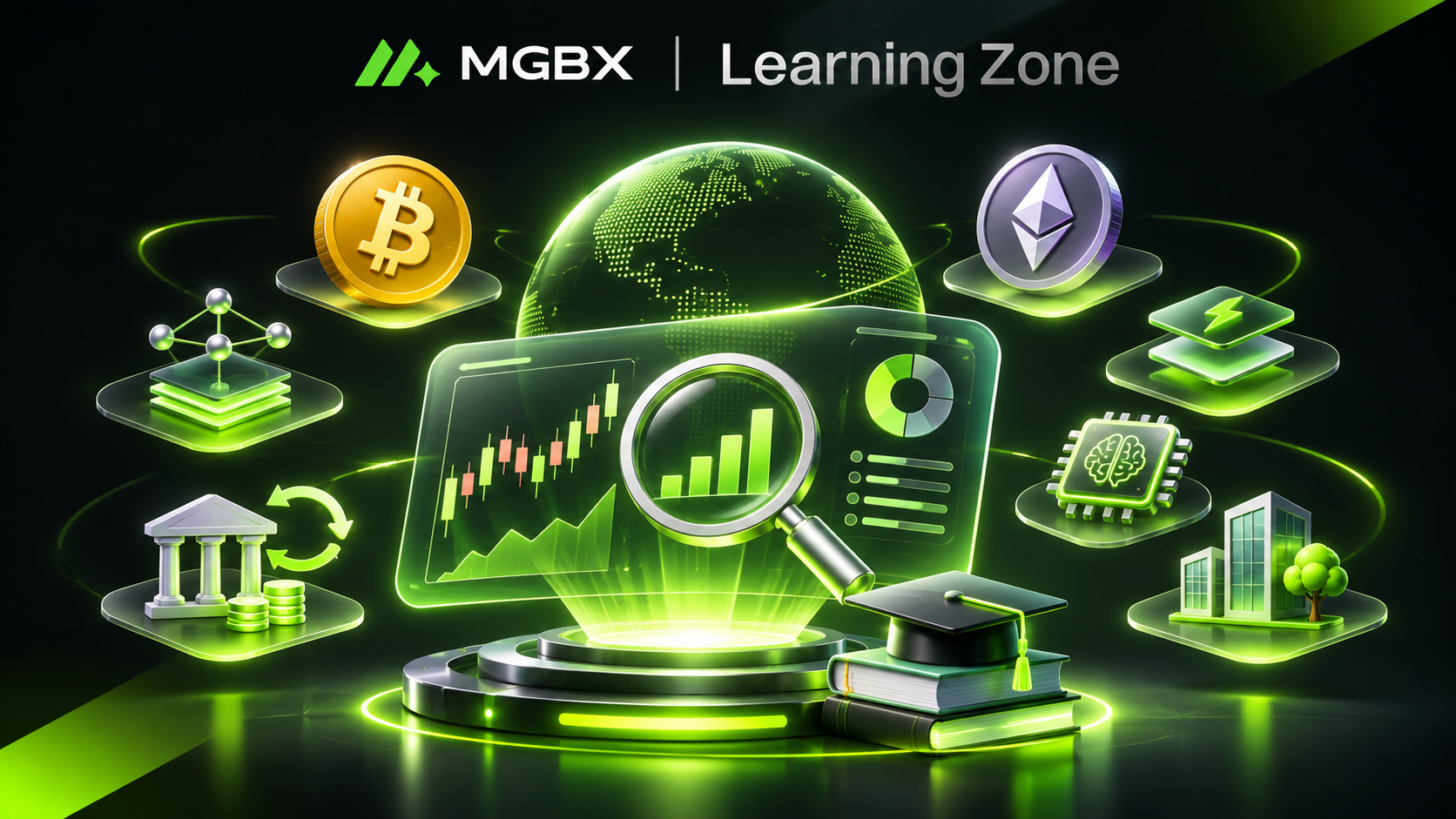
The cryptocurrency market in 2026 spans Bitcoin, smart contract platforms, scaling solutions, decentralized finance, artificial intelligence, and real-world assets. However, there is no single best cryptocurrency for every investor. Evaluating projects requires considering practical applications, technological development, tokenomics, supply distribution, market liquidity, and security risks. Rather than chasing short-term market trends, building a research framework that continuously verifies project fundamentals can help reduce information gaps and avoid impulsive decisions.
Which Crypto Assets Are Worth Researching in 2026?
When searching for crypto assets worth investing in during 2026, users often look for a definitive list of promising coins. However, there is no universal ranking that applies to every investor.
Different projects are designed to serve different purposes. Bitcoin focuses primarily on value transfer and supply rules, while Ethereum provides infrastructure for smart contracts and decentralized applications. Other Layer 1 and Layer 2 networks focus on transaction execution, consensus mechanisms, and scalability.
Decentralized finance projects primarily support lending, trading, and other on-chain financial services. Meanwhile, artificial intelligence and real-world asset projects explore ways to bring computing resources, data, and traditional assets into blockchain-based applications.
These sectors may offer projects worth researching, but growth in a particular sector does not guarantee demand for every related token or means that technological development will automatically translate into price appreciation. Therefore, crypto research should begin by identifying the problem a project aims to solve and determining whether its products and tokens have a meaningful connection.
How to Evaluate Projects Through Fundamentals and Tokenomics
1. Assess real products and user demand: Check whether the project has launched, whether it has an active user base, whether developers remain engaged, and whether on-chain activity and protocol revenue are sustainable.
2. Analyze tokenomics: Examine the maximum supply, total supply, circulating supply, and fully diluted valuation. Also review team allocations, investor token unlocks, potential future issuance, and token utility. If a token is primarily used for trading without generating clear demand within its ecosystem, its long-term value proposition requires closer scrutiny.
3. Evaluate security: Review smart contract audits, administrator permissions, upgrade mechanisms, asset custody, and historical security incidents. An audit does not guarantee that a project is completely secure. Investors should also examine the audit scope, publication date, and any unresolved issues.
4. Assess market liquidity: Order book depth, bid-ask spreads, holder concentration, and trading volume across different platforms can all affect the actual cost of buying or selling an asset.
The U.S. Securities and Exchange Commission's investor guidance on crypto asset-related investments also reminds investors to understand an asset's characteristics, custody arrangements, and their individual risk tolerance before investing.
How to Build a Sustainable Crypto Research Framework
Once potential projects have been identified, investors can maintain an updated research record covering official websites, whitepapers, contract addresses, supply data, development updates, audit reports, and market trading information.
Important figures disclosed in project announcements should be verified against official documents and blockchain explorers whenever possible. For user numbers, trading volumes, and revenue figures published by project teams, investors should also check the reporting methodology and relevant time period.
For asset allocation, decisions should reflect individual financial needs, investment horizons, and risk tolerance. Diversification can reduce exposure to certain project-specific risks, but it cannot eliminate the risk of a broader market decline. Regular investing can reduce the pressure of timing a single entry, but it does not guarantee profits.
The goal of crypto research is not to find a coin guaranteed to rise in value. It is to establish a framework for continuously evaluating project development, token demand, and changing risk factors.
Frequently Asked Questions
What is the best cryptocurrency to invest in for 2026?
There is no universal answer for every investor. The decision should depend on project fundamentals, token utility, liquidity, and individual risk tolerance.Should investors prioritize cryptocurrencies with larger market capitalizations?
Larger market capitalization may indicate greater market recognition and liquidity, but it does not guarantee price stability or future growth.How can you determine whether a crypto project has long-term potential?
Examine its active users, product adoption, development activity, token demand, supply structure, and security.Do low-market-cap cryptocurrencies always have greater upside potential?
No. While smaller market-cap assets may experience larger price movements, they can also face limited liquidity, insufficient transparency, and a higher risk of project failure.
Mastering the basics is the first step. Follow MGBX Academy to access more cryptocurrency educational resources and market opportunities.
The process for trading on MGBX:
Register a trading account and complete the necessary identity verification;
Deposit funds and select a trade type;
On the cryptocurrency trading page, enter the amount or quantity of the cryptocurrency you wish to purchase;
Confirm the order to complete the trade, and check that your assets have increased accordingly.