Meme Coins vs. Major Crypto Assets: Market Drivers and Risks
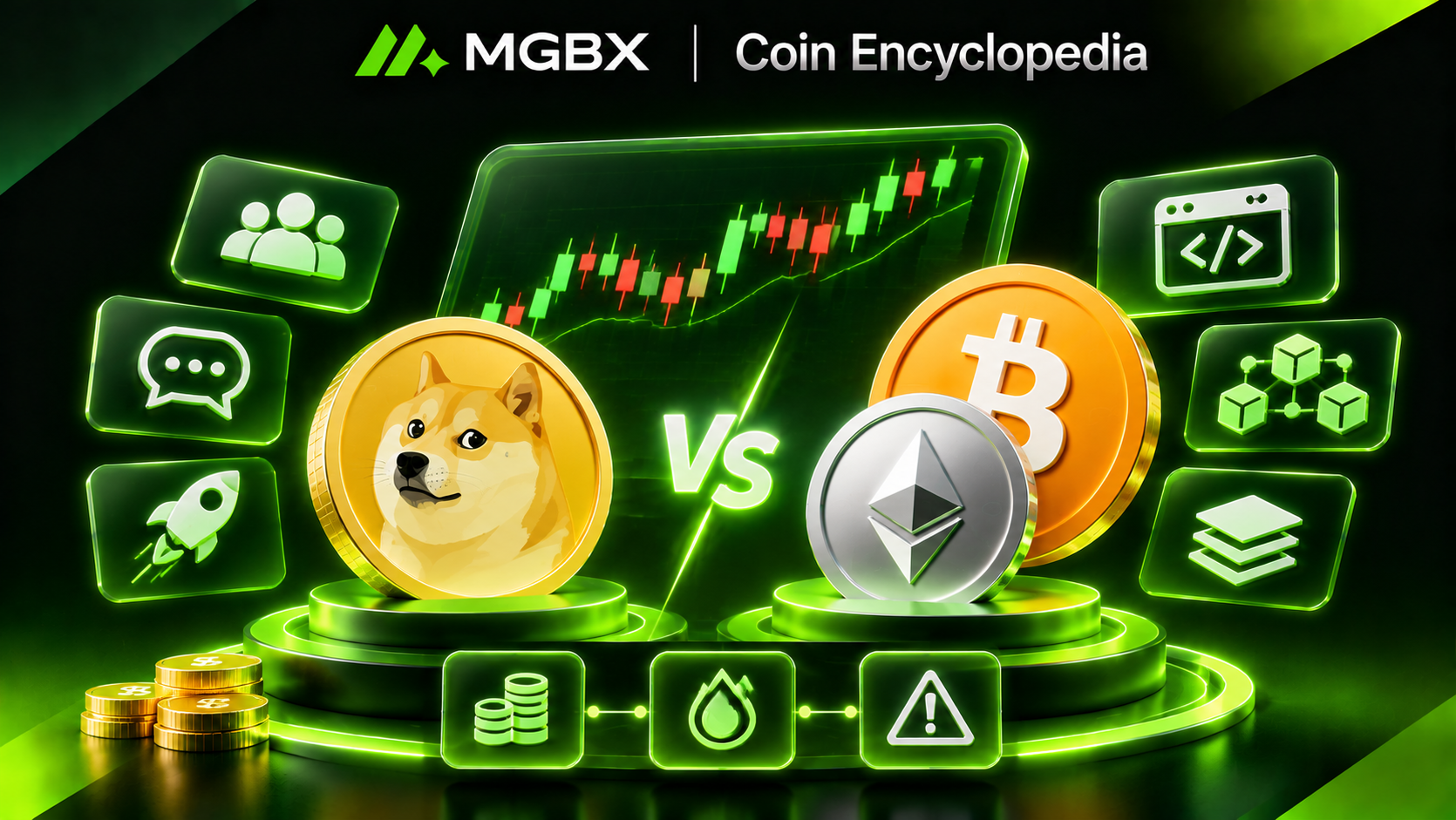
Meme coins and major crypto assets represent different types of projects and value drivers in the cryptocurrency market. Meme coins typically rely on internet culture, community engagement, and market sentiment, while major crypto assets may have more established network infrastructure, practical use cases, and broader market participation. However, major crypto assets are not necessarily low-risk, and meme coins do not all follow the same issuance models. Understanding their differences in token supply, utility, and liquidity is more important than simply deciding which category is more likely to gain value.
How Do Meme Coins and Major Crypto Assets Derive Their Value?
Meme coins typically build market attention around internet culture, popular figures, community narratives, and social media trends. Their prices may be influenced by community engagement, market sentiment, and short-term capital flows, rather than established product revenue or clearly defined economic rights.
In 2025, the U.S. Securities and Exchange Commission's Division of Corporation Finance published a staff statement on meme coins. It noted that certain types of meme coins, as described in the statement, are primarily driven by market demand and speculative trading, often experience significant price volatility, and may have limited practical functionality.
However, the statement addresses specific types of meme coins and does not mean that every project categorized as a meme coin has the same legal status.
Major crypto assets include Bitcoin, Ethereum, and certain Layer 1 network assets. These projects generally have more clearly defined network functions, consensus mechanisms, or ecosystem applications. For example, Bitcoin follows publicly defined supply rules, while Ethereum provides smart contract functionality and infrastructure for decentralized applications.
However, technological maturity and market capitalization do not guarantee price stability or mean that every token is fairly valued.
Token Distribution vs. Liquidity Structure
Meme coins and major crypto assets can differ significantly in their issuance models. However, it would be inaccurate to assume that all meme coins have fair launches or that every major crypto project involves institutional private sales and team token unlocks.
When evaluating token distribution, investors should examine the initial supply, maximum supply, circulating supply, team and investor allocations, token unlock schedules, and holder concentration.
Some projects may launch with a relatively low circulating supply but a high fully diluted valuation, meaning future token unlocks could increase market supply. Some meme coins may launch through publicly accessible liquidity pools, but this does not eliminate risks such as concentrated holdings, liquidity withdrawals, or excessive contract permissions.
Liquidity is another important factor. Assets with deeper order books are generally better equipped to handle larger trades, but this does not mean their prices cannot decline. Small-cap meme coins may experience significant slippage when selling pressure increases and market depth is limited.
Therefore, comparing these two asset categories requires examining actual circulating supply structures and market depth rather than judging risk solely by asset type.
How Should Investors Evaluate Different Crypto Assets?
When researching meme coins, investors should pay particular attention to community activity, token holder distribution, liquidity pools, contract permissions, and social media engagement. It is also important to verify whether a project has practical applications and whether its public claims can be independently substantiated.
When researching major crypto assets, investors can also examine network activity, developer participation, transaction fees, ecosystem development, token utility, and token release schedules.
Asset selection should also reflect individual financial goals, investment horizons, and risk tolerance. Different assets may serve different purposes within a portfolio, but there is no universally suitable asset allocation strategy.
The U.S. Securities and Exchange Commission's investor education resources on crypto asset-related investments remind investors that crypto assets can experience rapid and significant price fluctuations. Investors should consider their financial objectives, investment time horizons, and risk tolerance before making decisions.
Ultimately, the distinction between meme coins and major crypto assets is not simply a choice between speculation and fundamental value. What matters is understanding where an asset's demand comes from, how its supply is structured, and what potential losses it may involve.
Frequently Asked Questions
What is the biggest difference between meme coins and major crypto assets?
Meme coins generally rely more heavily on community culture and market sentiment, while major crypto assets may have more established network functionality and application ecosystems.Do all meme coins have fair launches?
No. Meme coins can differ significantly in team allocations, presales, liquidity structures, and token permissions.Are major crypto assets always safer than meme coins?
Not necessarily. Major assets may have more established markets and infrastructure, but they still carry price volatility, network, and custody risks.How should beginners research meme coins?
Start by verifying the contract address, holder distribution, liquidity, and token permissions. Avoid making decisions based solely on social media hype or short-term price movements.
Mastering the basics is the first step. Follow MGBX Academy to access more cryptocurrency educational resources and market opportunities.
The process for trading on MGBX:
Register a trading account and complete the necessary identity verification;
Deposit funds and select a trade type;
On the cryptocurrency trading page, enter the amount or quantity of the cryptocurrency you wish to purchase;
Confirm the order to complete the trade, and check that your assets have increased accordingly.